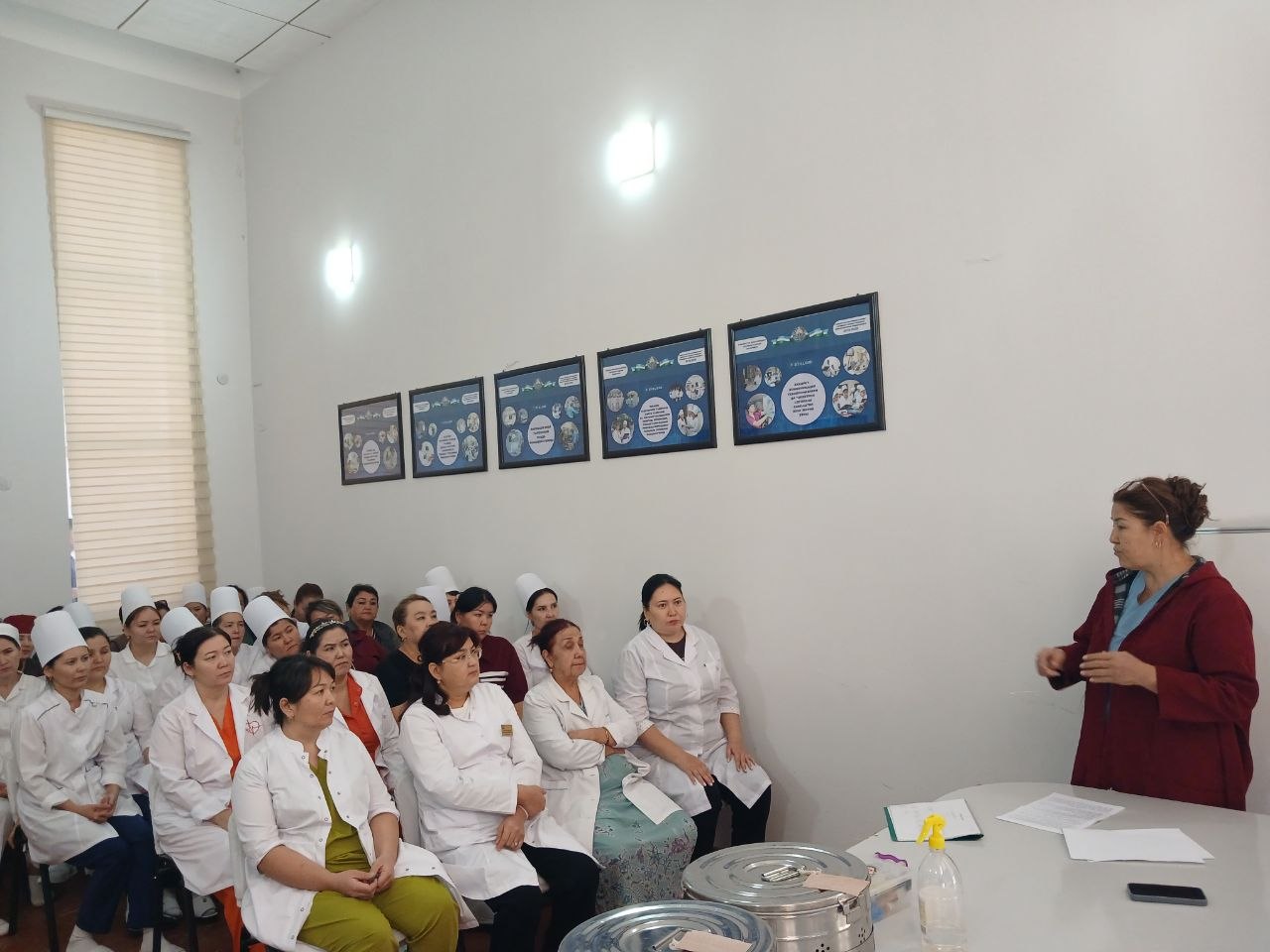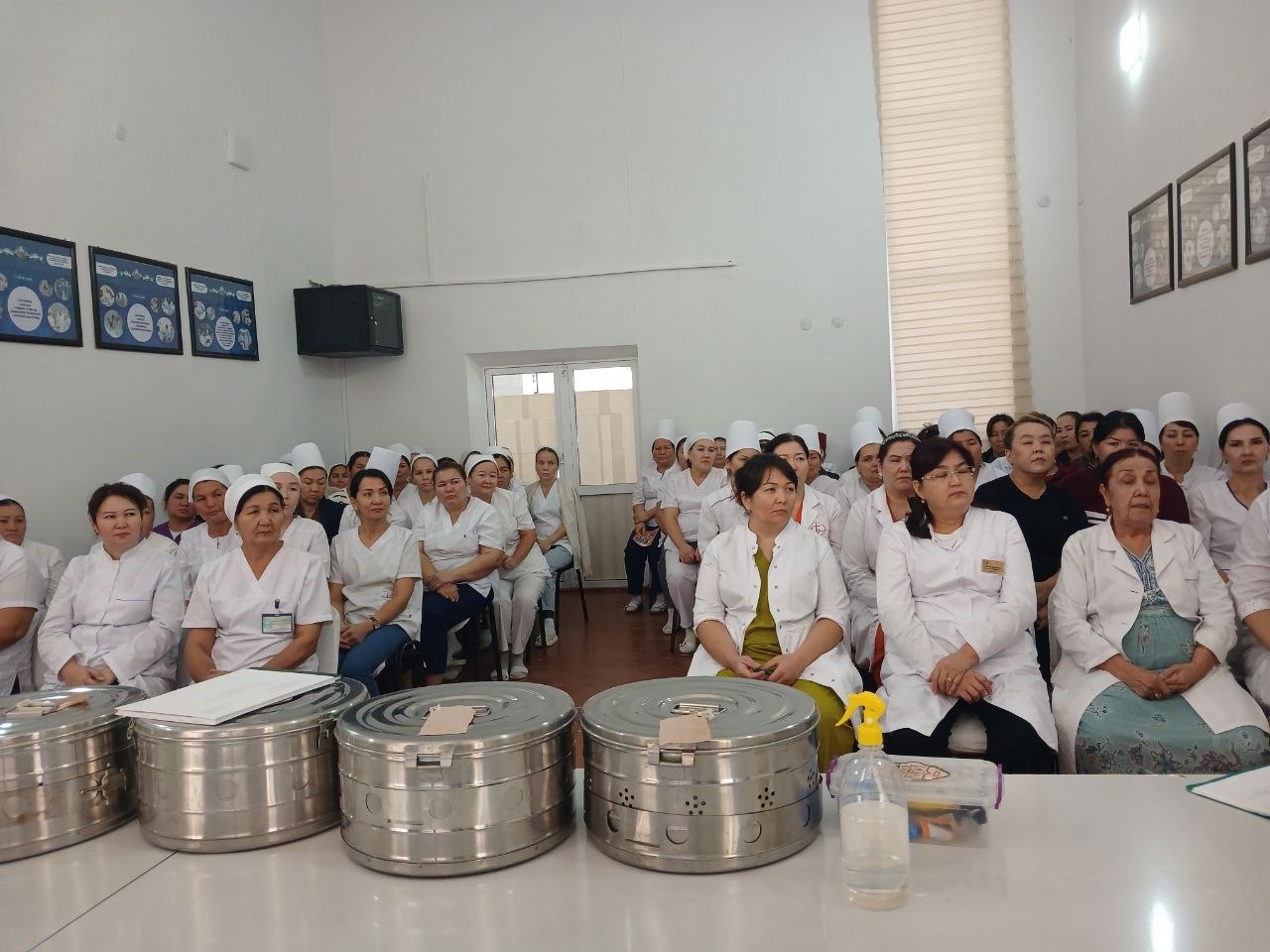
Seminar on etiology, epizootology, epidemiology, pathogenesis, clinical presentation, diagnosis, differential diagnosis, treatment, prevention, and anti-epidemic measures.
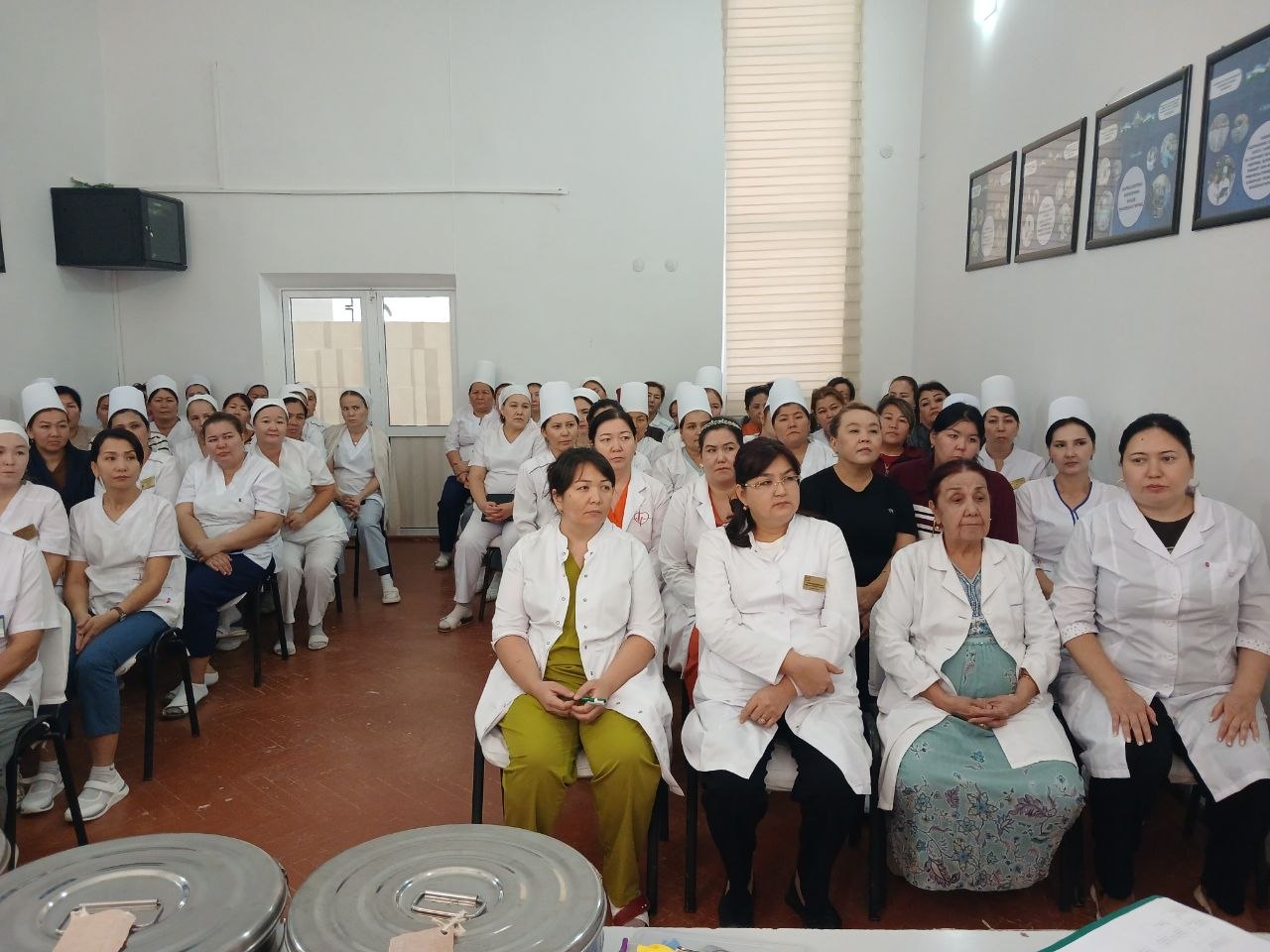
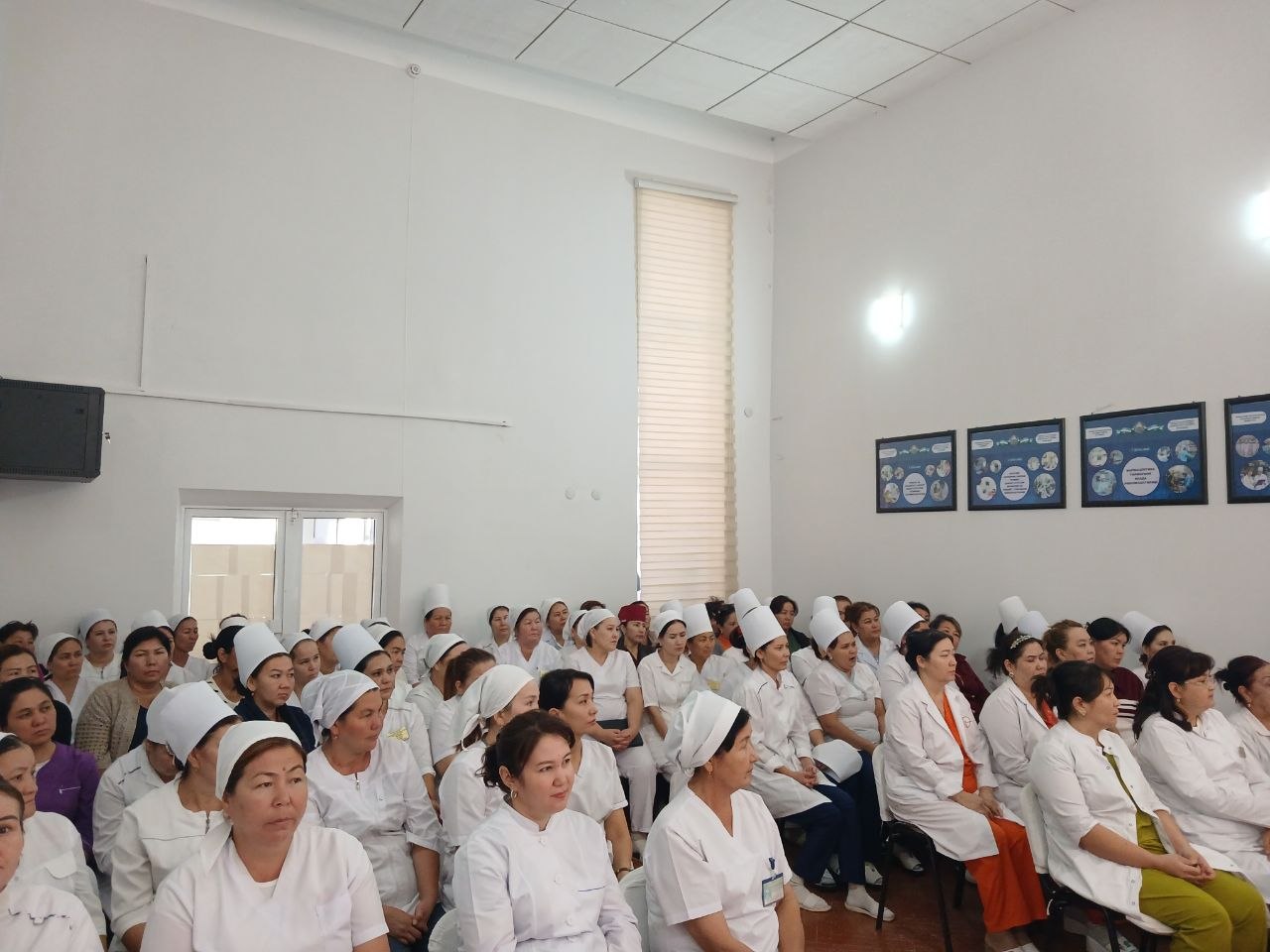
It was held at the RKEIAMO branch of the Kyrgyz Republic. It was attended by the deputy chief physician of the branch, L. Ramanova, department heads, doctors, and nurses.
The seminar was opened by the Deputy Chief Physician, L. Ramanova. He noted that one of the disasters currently occurring in the world is particularly dangerous diseases, and our people must be prepared for these diseases. All medical workers emphasized the need to update and retrain their knowledge on especially dangerous diseases.
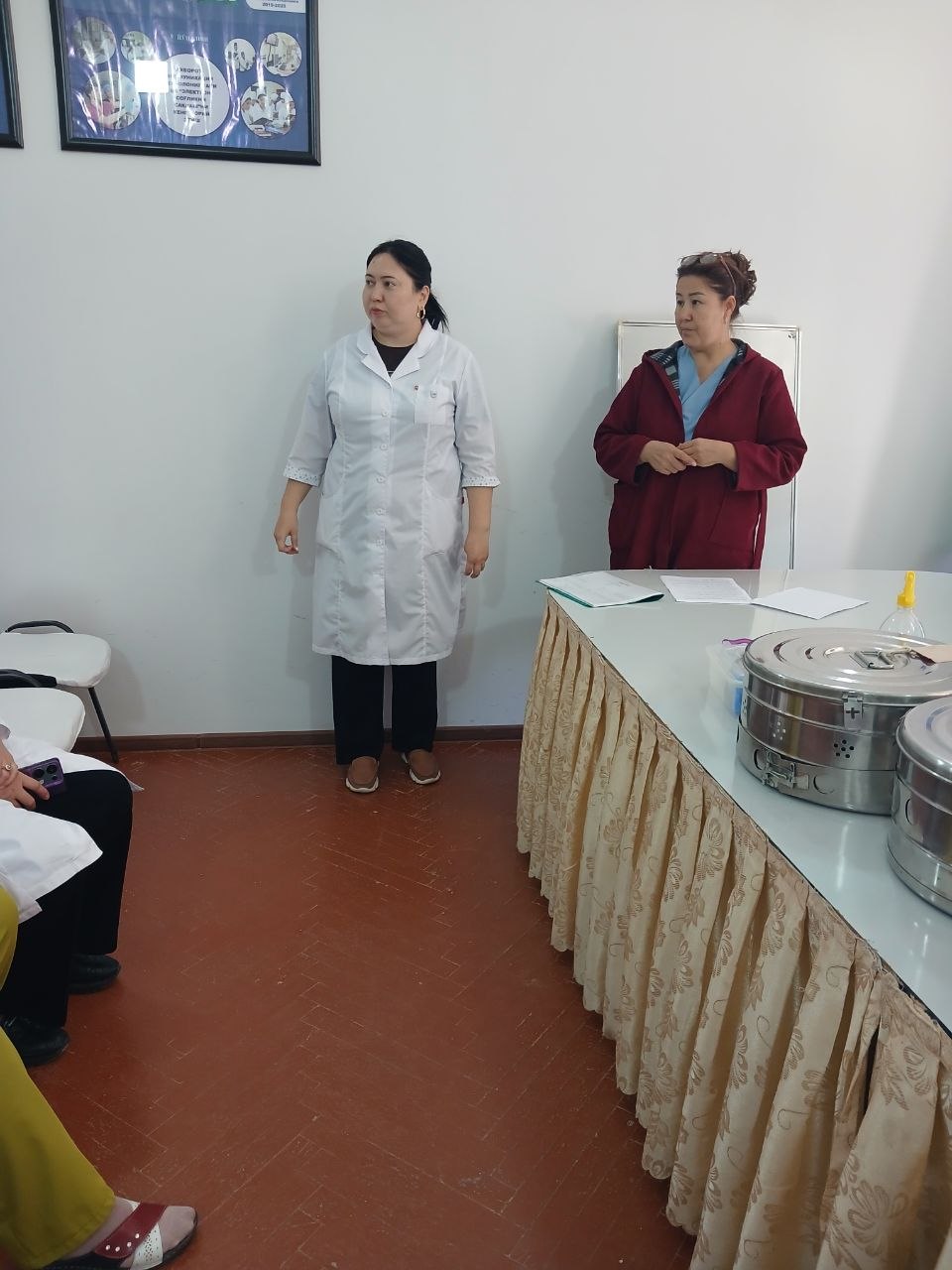
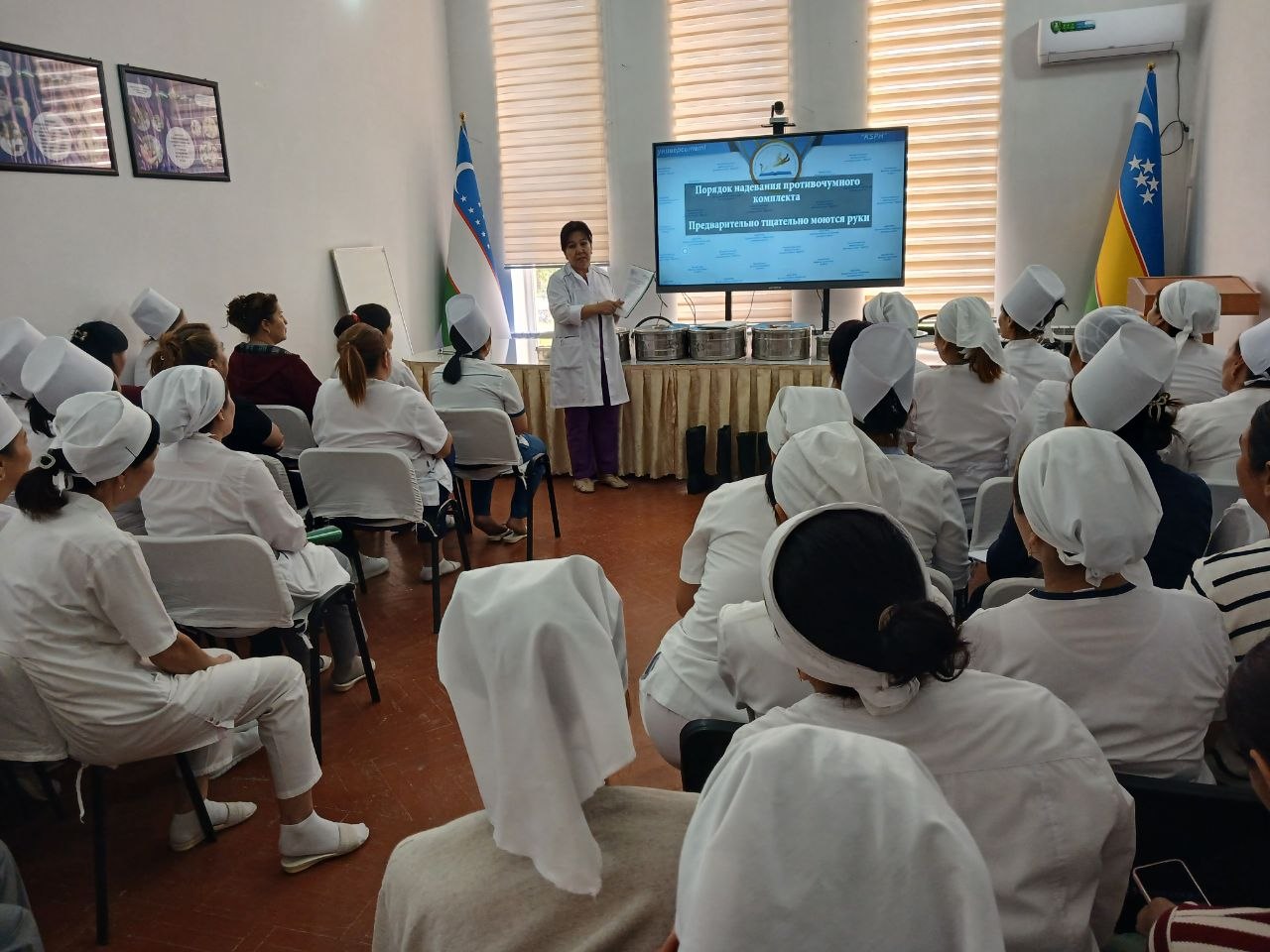
Subsequently, Z. Turebekova, Head of the Department of General Endocrinology and Pediatrics, delivered a report.
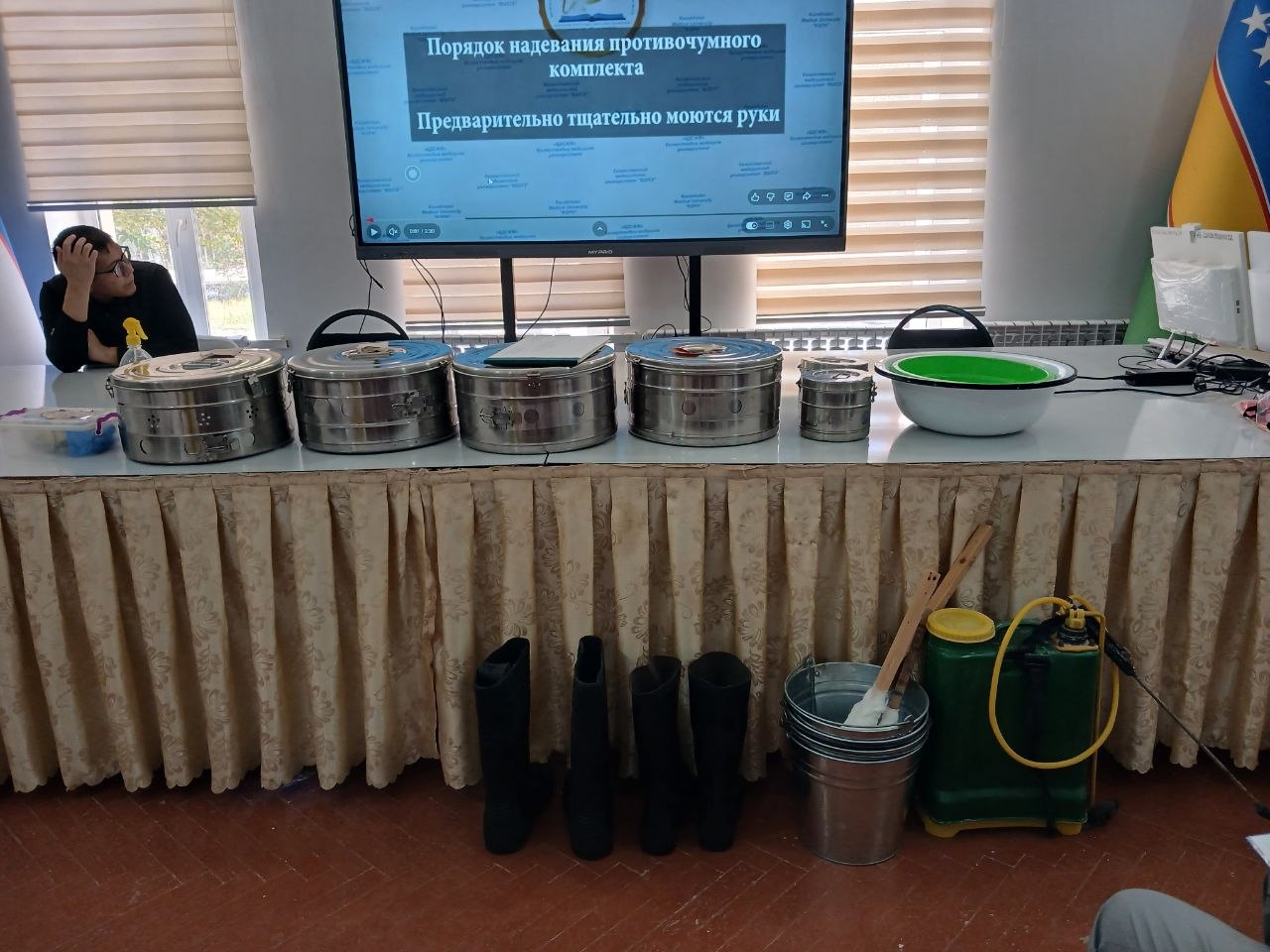
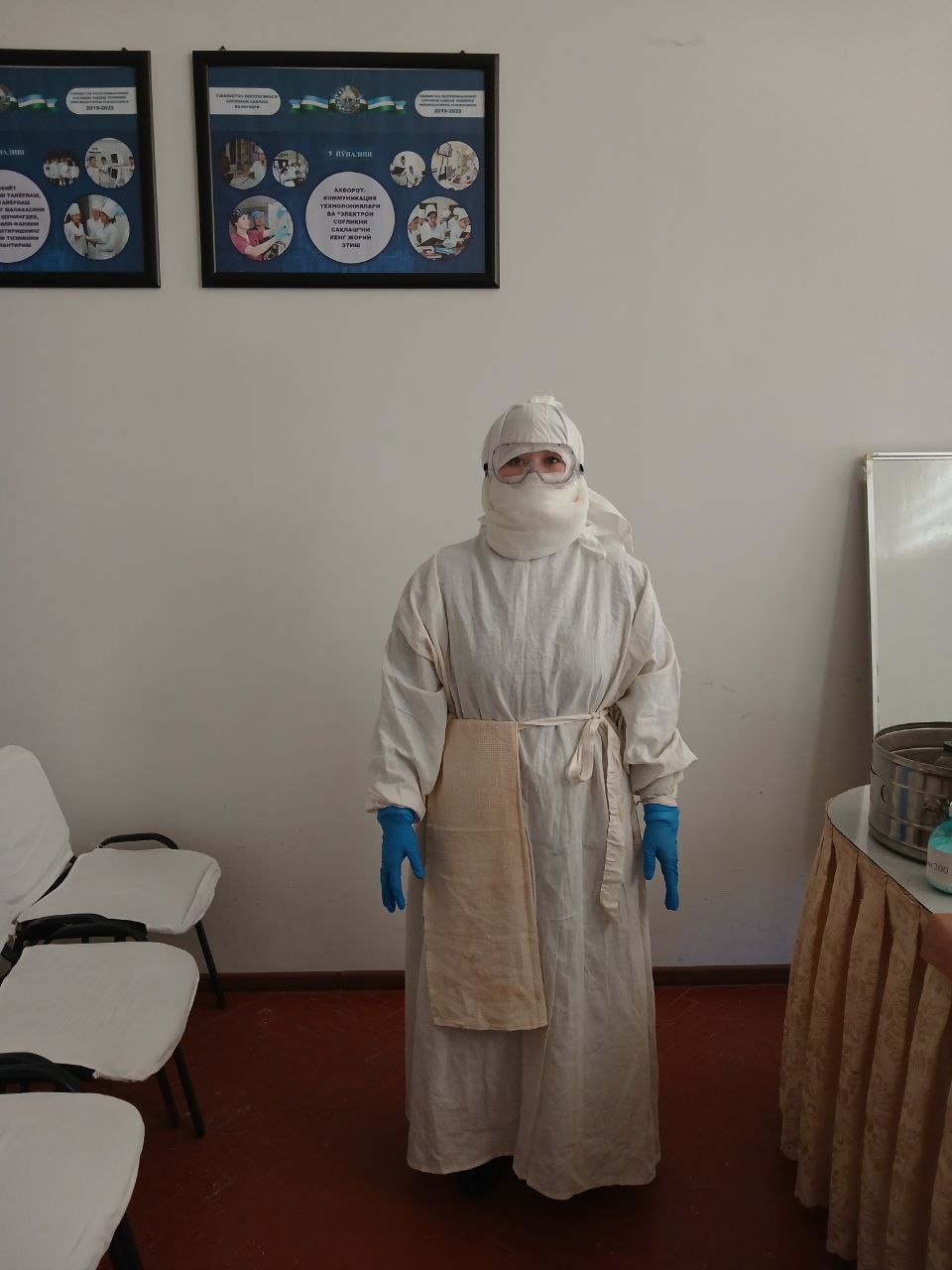
Since plague is an extremely dangerous disease in terms of spread and transmission, preventive work has been strengthened to prevent the sudden, hidden, or easy spread of the disease, which is associated with population migration from neighboring countries. All medical workers were provided with detailed information on the etiology, epizootology, epidemiology, pathogenesis, clinical presentation, diagnosis, differential diagnosis, treatment, prevention, and anti-epidemic measures. Detailed explanations were provided to the medical workers. The listeners asked questions to the speakers and received appropriate answers. The seminar was substantive and interesting. The meeting chairman was informed that especially dangerous infectious diseases are a pressing issue today, and it is necessary to further strengthen control and methodological assistance in this area. The stages of fighting the plague were demonstrated, including the procedures for dressing and undressing, as well as the practical application of the first-aid kit.